The Story Your Wedding Actually Tells: Documentary Photography vs Highlight Reel
Scroll through most wedding photography portfolios and you'll see the same images repeated: the perfectly composed mandap shot, the choreographed first look, the ring detail on a perfectly styled surface, the couple gazing romantically at each other on cue. Beautiful? Absolutely. Your actual wedding day? Not even close.
Your wedding isn't a series of perfect moments arranged for the camera. It's your dad seeing you in your lehenga and forgetting what he was about to say. It's your grandmother crying during the pheras whilst your cousin tries to comfort her. It's the chaos when the baraat arrives an hour late and everyone's scrambling to adjust the timeline. It's real, messy, emotionally complex, and absolutely beautiful in ways that have nothing to do with perfect composition.
At Mirage Photos UK, we've spent years photographing Hindu weddings in Leicester, Muslim celebrations in Birmingham, and every imaginable Asian wedding across Manchester, London, and beyond. And we've learnt something crucial: the story your wedding actually tells is far more meaningful than the highlight reel you could construct.
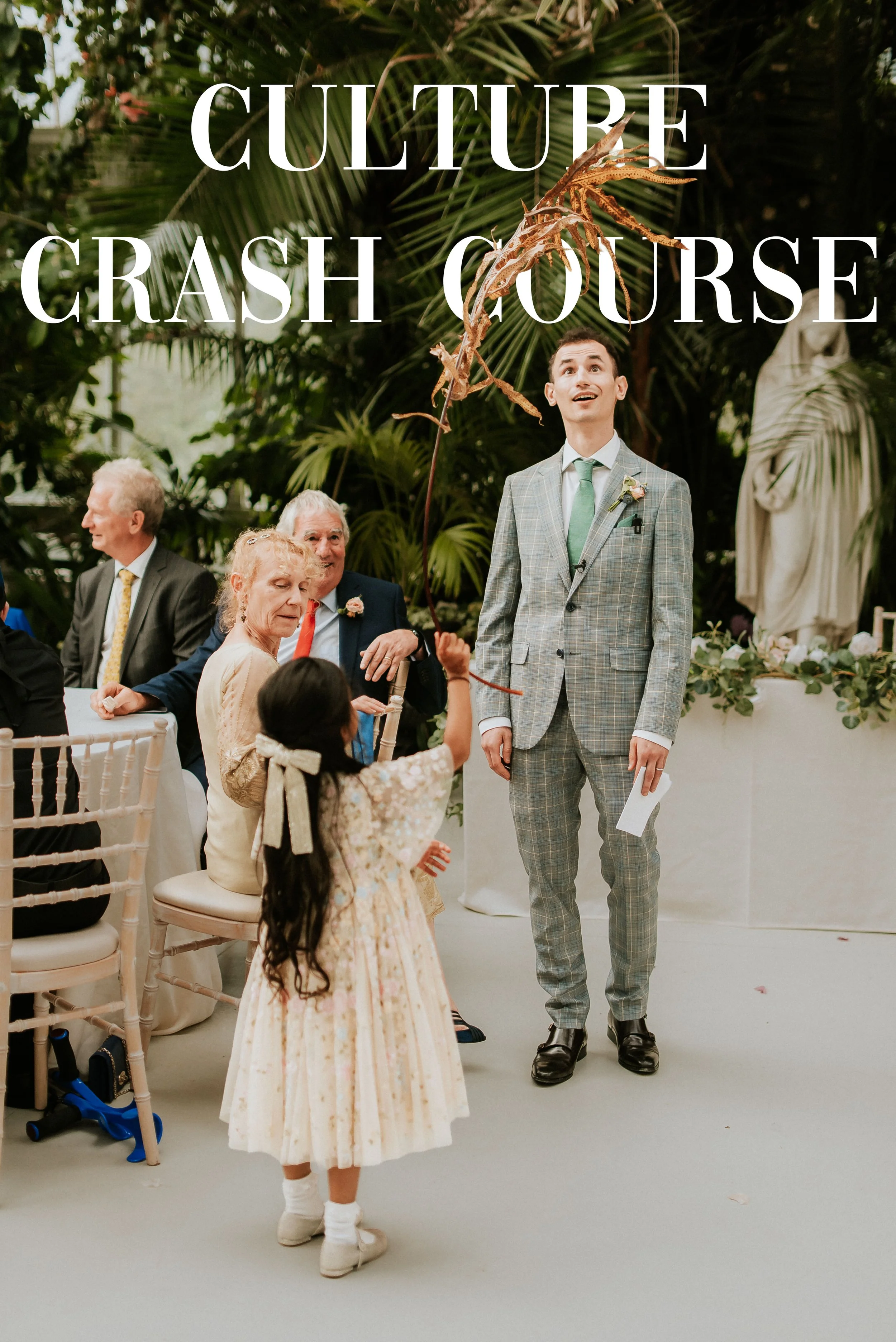
What Documentary Photography Actually Means
Documentary wedding photography—sometimes called photojournalistic style—isn't about refusing to take traditional family photos or never positioning anyone. It's about prioritising observation over direction, capturing what's actually happening over staging what looks good.
When we photograph Asian weddings across the UK, we're watching. The bride's mother adjusting her daughter's dupatta for the tenth time, each adjustment becoming more emotional. The groom's brother managing logistics whilst simultaneously trying to enjoy the day. The elderly relative who's travelled from Pakistan, sitting quietly and taking everything in with an expression that holds decades of family history.
These moments don't need to be arranged—they're already happening. Our job is being positioned correctly, anticipating when emotion will peak, and capturing it without interference. That's documentary photography. Not passive observation, but active anticipation combined with intentional non-interference.
The highlight reel approach works differently. It requires stopping authentic moments to create photographable ones. "Can you laugh again?" "Look at each other lovingly." "Let's redo that hug, but this time I'll be positioned better." Each direction pulls people out of genuine experience and into performance.
The Moments That Highlight Reels Miss
Here's what we've noticed photographing hundreds of weddings from Birmingham to London: the moments couples return to most in their albums aren't the ones that look best on Instagram. They're the ones that feel most true.
Your aunt who hasn't seen your mum in five years, the embrace when they finally meet at your Manchester wedding—that's not posed. The exhausted but satisfied look on your parents' faces when the ceremony finally starts after hours of preparation in Leicester—that's not staged. The spontaneous laughter during your Coventry Sangeet when someone makes a joke that only your family would understand—that's not repeatable on command.
Documentary photography captures these because we're watching for them, not waiting to create them. We understand Asian wedding rhythms—when emotion peaks during Hindu ceremonies, where to position during Muslim nikah signings, how families interact during Sikh Anand Karaj. This knowledge lets us anticipate rather than direct.
The highlight reel approach misses these moments because it's focused elsewhere—on the next posed shot, the next creative composition, the next Instagram-worthy image. While the photographer's arranging the perfect mandap silhouette, your grandmother's watching the pheras with an expression that contains everything she's feeling about family, tradition, and the passage of generations. We choose to photograph your grandmother.
When Perfect Composition Matters Less Than Perfect Timing
Traditional wedding photography prioritises technical perfection. Perfect focus, perfect exposure, perfect composition, perfect lighting. Documentary photography prioritises perfect timing—capturing the exact moment emotion peaks, even if the technical execution isn't flawless.
At a recent Pakistani wedding in Birmingham, we photographed the father-daughter moment during the rukhsati. Technically? The lighting was challenging, the composition was crowded with other family members, the focus was acceptable but not razor-sharp. Emotionally? It captured everything—the father's face, the daughter's tears, the weight of that goodbye, the family's surrounding support.
A traditional photographer might have waited for better light, cleared the background, posed them more formally. The resulting image would be technically superior and emotionally hollow. The moment would have passed whilst we were arranging perfection.
This is the choice documentary wedding photography makes repeatedly: real moments with technical imperfection over perfect images with emotional emptiness. When we're photographing Hindu weddings in Leicester or Muslim celebrations in Manchester, we're not chasing perfection—we're chasing truth.
Why Asian Weddings Need Documentary Approaches
Asian weddings particularly benefit from documentary photography because so much happens simultaneously. During a Hindu ceremony in Coventry, the pheras are occurring, but also: the priest is performing rituals, family members are offering prayers, children are getting restless, elderly relatives are watching with complex emotions, siblings are supporting the couple, friends are witnessing their first Hindu ceremony with confusion and wonder.
A highlight reel approach captures the central action—the couple performing pheras. Documentary photography captures the entire ecosystem of meaning surrounding that central action. Both matter. But one tells a more complete story.
At Muslim weddings from Oxford to East London, the nikah itself is brief. The surrounding context—families meeting, emotional preparations, the weight of commitment, community witnessing—that's where the story lives. Documentary photographers understand this and allocate attention accordingly.
Sikh Anand Karaj ceremonies in Birmingham or West London create similar situations. Yes, the couple circling the Guru Granth Sahib is central. But the sangat's participation, the family's expressions, the granthi's concentration, the collective nature of the ceremony—this context provides meaning that close-ups of just the couple would miss.
The Honest Album vs The Perfect Album
We've delivered albums from hundreds of Asian weddings across Birmingham, Leicester, Manchester, and London. The honest albums—ones that show what actually happened, including imperfect moments—get returned to more frequently than the perfect albums that look flawless but feel emotionally distant.
The honest album includes the photo where half your relatives are looking at their phones during the ceremony because it's been three hours and human attention spans are real. It includes your uncle's terrible dancing. It includes the moment your carefully applied makeup smudged from crying. It includes the chaos when the venue's timeline compressed and everyone scrambled.
These imperfect moments aren't failures of photography—they're documentation of reality. Your wedding day included them. Your album should too.
The perfect album, curated to show only the most flattering, most beautiful, most Instagram-worthy images, tells a different story: the wedding you wish you'd had rather than the one you actually experienced. It's prettier. It's also dishonest.
Documentary photography chooses honesty. Not because reality is always beautiful, but because authentic documentation of your actual experience matters more than constructing a false perfect narrative.
What This Means for Your Experience
Choosing documentary wedding photography changes your actual wedding day experience. You're not being constantly posed, directed, or pulled away from genuine moments to create photographic ones. Your family isn't being arranged and rearranged. Your celebration flows naturally because the photographer isn't interrupting it.
At Hindu weddings in Leicester or Muslim celebrations in Birmingham, this matters enormously. These ceremonies already involve complex choreography, religious protocols, and family coordination. Adding photographic direction on top creates stress that benefits images whilst diminishing experience.
Documentary photographers work around your celebration, not through it. We position ourselves to capture what's happening without becoming part of what's happening. You're having your wedding. We're documenting it. This distinction preserves the authenticity we're trying to capture.
The highlight reel approach requires your participation in image creation. You're not just experiencing your wedding—you're performing it for cameras. The resulting images might be stunning, but they've been purchased with genuine experience. That's a trade-off worth considering.
Why We Choose Documentary
At Mirage Photos UK, our commitment to candid, photojournalistic wedding photography isn't just aesthetic preference—it's philosophical conviction. We believe weddings matter too much to be interrupted for photographs. We believe authentic emotion is more valuable than performed emotion. We believe your actual story is more meaningful than the perfect story we could construct.
This approach particularly suits Asian weddings because they're already emotionally intense, logistically complex, and culturally significant. Adding photographic direction would create interference at events that deserve pure experience and authentic documentation.
Whether you're planning a Hindu wedding in Leicester, a Muslim celebration in Manchester, a Sikh ceremony in Birmingham, or any Asian wedding across London and beyond, we bring documentary expertise that honours your celebration by observing rather than directing it.
Your wedding tells a story. Not the perfect highlight reel story you could construct for social media, but the real, complex, emotionally honest story of two families joining, traditions being honoured, love being celebrated, and community being built.
That's the story we photograph. That's the story you'll want to remember. And that's the story that deserves documentary photography's honest, observational approach—capturing what actually happened, not what we could arrange to happen.
Because years from now, you won't remember whether the lighting was perfect during your mandap photos. You'll remember how your father looked at you. Documentary photography ensures we captured that look exactly as it happened—real, unguarded, and absolutely true.