The Beautiful Complexity: Photographing Pakistani-Vietnamese, Scottish-Indian, and Cross-Cultural Weddings
The first time we photographed a Pakistani-Vietnamese wedding in Birmingham, we realised our usual assumptions meant nothing. Which ceremony comes first? What does the bride wear when? How do you visually balance a red Vietnamese áo dài against a heavily embroidered Pakistani lehenga in the same album? These weren't questions our experience with traditional Asian weddings could answer.
Cross-cultural weddings don't follow templates. A Scottish-Indian couple in Manchester might blend a registry ceremony with Hindu pheras. An Irish-Pakistani celebration in London could feature both church vows and a nikah. Bengali-Chinese unions in East London create entirely new traditions that honour both heritages without diluting either.
After photographing these complex, beautiful celebrations across the UK—from Afghani-Somali weddings in West London to every imaginable cultural combination in Birmingham and Leicester—we've learnt that the complexity itself is what makes these weddings extraordinary. Here's what actually looks like through a camera lens.
When Visual Languages Collide
Pakistani weddings are a riot of colour—deep reds, vibrant golds and intricate embroidery that catches every bit of light. Vietnamese weddings favour symbolic reds and golds too, but with completely different aesthetic sensibilities—clean lines, ao dai elegance, ancestral altar arrangements.
Put these together at a Pakistani-Vietnamese wedding in Birmingham, and you're not photographing one cohesive visual story. You're documenting two distinct aesthetic traditions that somehow need to coexist in one album. The bride wearing ao dai for the Vietnamese tea ceremony, then changing into a heavily embellished lehenga for the walimah reception. Two completely different silhouettes, colour palettes, and cultural contexts in the same day.
Scottish-Indian weddings present different contrasts. The understated elegance of Scottish Highland dress—kilts, tartans, simple but dignified—against the ornate richness of Indian bridal wear. At a Manchester celebration, we photographed the groom in both: traditional Scottish attire for the morning ceremony, then a heavily embroidered sherwani for the Hindu rituals. The visual transformation told its own story about identity and belonging.
As cross-cultural wedding photographers, we can't impose a single aesthetic on these celebrations. Our editing style needs flexibility—honouring the bold saturation that makes Pakistani and Indian attire stunning, whilst also capturing the subtle sophistication of Vietnamese or Scottish traditions. The complexity is beautiful, but it's genuine complexity that demands respect rather than simplification.
Two Families Learning Each Other's Language
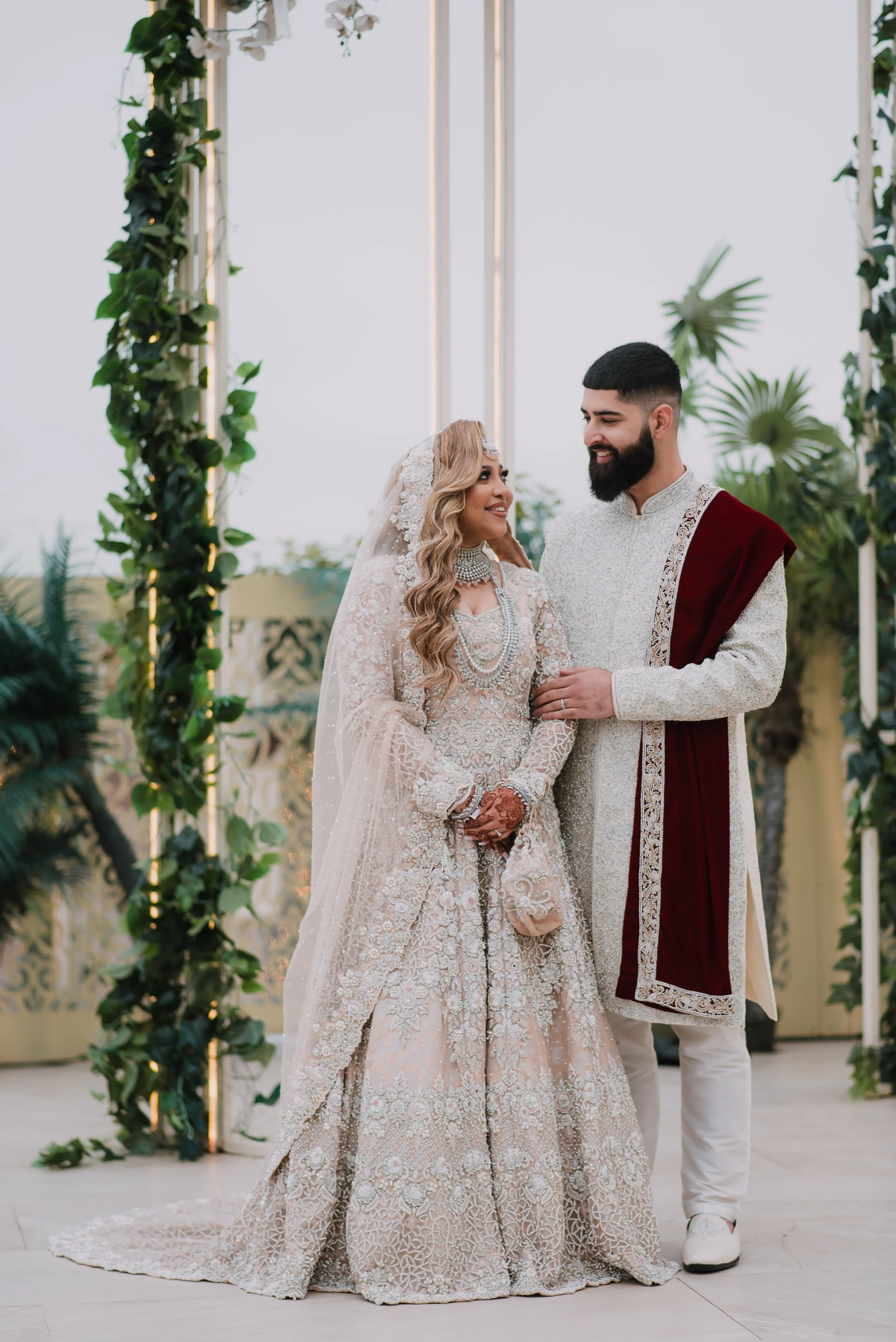
At an Irish-Pakistani wedding in London, the Irish grandmother asked us: "What's happening now?" at least fifteen times during the mehndi ceremony. Not from lack of interest— but from genuine curiosity. She wanted to understand why henna mattered, what the designs meant andwhy this ritual happened before the wedding itself.
These moments of cultural education become some of our favourite photographs. The Scottish uncle at a Scottish-Indian wedding in Leicester, carefully watching how to properly participate in the pheras. The Vietnamese parents at a Pakistani-Vietnamese celebration in Birmingham, learning the significance of the baraat procession. The Bengali relatives at a Bengali-Chinese wedding in East London, admiring the precision of Chinese tea ceremony etiquette.
Cross-cultural weddings are masterclasses in patience and curiosity. Families who might never have encountered each other's traditions are suddenly immersed in them. The learning curve is steep, the potential for confusion is real, but the effort to understand is almost always genuine.
We photograph that effort because it's the actual story. Not perfectly choreographed fusion, but real people navigating unfamiliar customs with good humour and open hearts. The Pakistani aunt helping the Irish mother drape a dupatta correctly. The Chinese grandmother showing Bengali relatives how to properly present tea. These bridge-building moments matter more than any posed portrait.
When Timelines Don't Align
Traditional Pakistani weddings might span three days—mehndi, baraat andwalimah. Vietnamese weddings often happen in a single day with specific ceremonial timings. When you're combining both, someone's expectations need adjusting.
At the Pakistani-Vietnamese wedding we photographed in Birmingham, the compromise was creative: a Vietnamese tea ceremony in the morning, then jumping straight to a combined reception that incorporated elements of both cultures. No traditional three-day Pakistani celebration;no separate Vietnamese evening banquet. Something entirely new that both families had to accept wasn't quite what they'd imagined.
Scottish-Indian weddings face similar negotiations. Hindu ceremonies can last hours, with specific muhurat timings chosen by astrologers. Scottish families might expect a forty-minute ceremony followed by drinks and dancing. We've photographed couples trying to honour both expectations, which usually means very long days and creative scheduling.
For Afghani-Somali weddings in West London, the challenge was blending two Muslim traditions that share religious foundation but express it through different cultural lenses. The nikah itself remained consistent, but everything surrounding it—the food, the music, the family expectations—required negotiation.
As wedding photographers working across these celebrations in Manchester, Birmingham, Leicester, and London, we're documenting not just the ceremonies but the compromises that made them possible. The exhausted but happy couples who've spent months explaining their choices to families. The parents have accepted that their child's wedding won't look like their own. These layers add depth to the visual story.
The Fashion Tells Its Own Story
We've photographed brides wearing three different outfits in a single day. Vietnamese áo dài for the morning tea ceremony. Pakistani lehenga for the walimah. A white dress for the evening reception because the bride grew up in the UK and wanted that too. Each outfit represents a different part of her identity, and none of them are compromises—they're all authentically her.
Scottish-Indian grooms navigating between kilts and sherwanis. Irish-Pakistani brides in both white dresses and red lehengas. Bengali-Chinese couples incorporating qipao and saris into their day. The fashion choices at cross-cultural weddings aren't about picking one culture over another—they're about claiming all of it.
This creates interesting photography challenges and opportunities. We're shooting the same person looking dramatically different multiple times. The editorial possibilities are rich—contrasting silhouettes, colours, aesthetics within one wedding album. But it requires quick turnover time, understanding when outfit changes are happening, and being ready to shoot each look with fresh creative energy.
What Each Culture Brings That Can't Be Compromised
Some traditions are non-negotiable. The Vietnamese tea ceremony carries such significance that it's never reduced or skipped—it happens fully or not at all. The nikah for Muslim couples, whether Pakistani, Irish-Pakistani, or Afghani-Somali, follows specific religious requirements that don't bend for convenience. Hindu pheras around the sacred fire maintain their sanctity regardless of what else is being blended into the day.
Understanding what's flexible versus what's sacred is crucial for cross-cultural wedding photography. We can't photograph these weddings well without knowing the difference. When we're shooting an Irish-Pakistani celebration in London, we understand that the church ceremony and the nikah are both spiritually significant—neither is just performative tradition.
At Scottish-Indian weddings, the Hindu ceremonies require specific photographic respect—positions we can and cannot occupy, moments when we need to be especially unobtrusive. Scottish traditions have their own protocols. We're navigating multiple sets of sacred boundaries simultaneously.
This level of cultural competency doesn't come from reading articles online. It comes from photographing these specific combinations repeatedly, from asking questions, from paying attention to what matters to each family rather than making assumptions based on broader cultural knowledge.
Why These Weddings Matter to Us
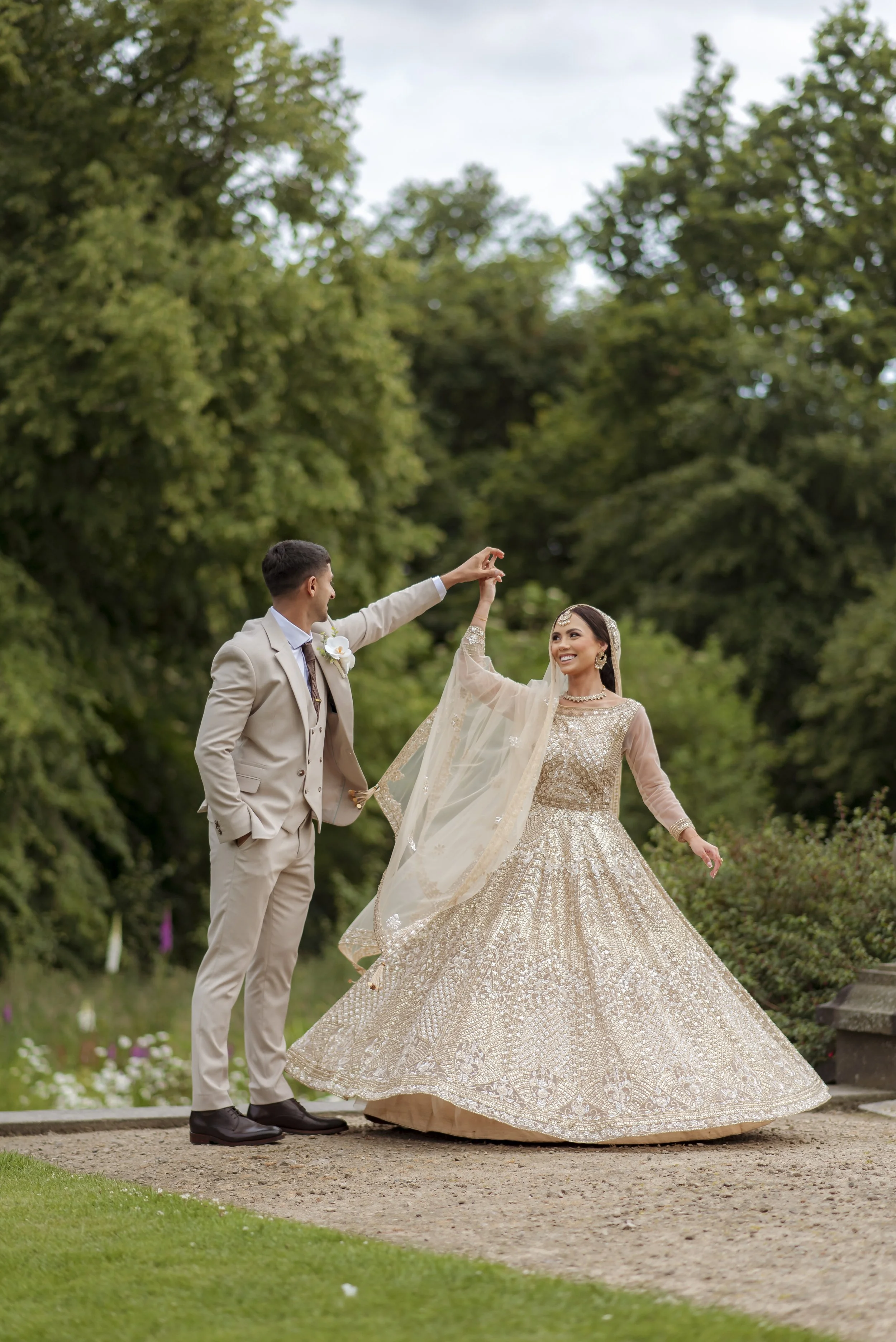
After years photographing cross-cultural celebrations across Birmingham, Manchester, Leicester, London, and beyond, we've come to see these weddings as something important—evidence that cultural boundaries are more permeable than we sometimes think, that families can expand their definitions of tradition, that love genuinely does create bridges.
Every Pakistani-Vietnamese couple, every Scottish-Indian family, every Irish-Pakistani celebration, every Bengali-Chinese union, every Afghani-Somali wedding represents people choosing understanding over separation. Choosing the complexity of honouring multiple heritages over the simplicity of picking just one.
At Mirage Photos UK, we approach these weddings with particular care because we understand what's at stake. These aren't just pretty multicultural celebrations—they're families navigating genuinely complex cultural terrain with grace, patience, and love. Our photography needs to honour that complexity rather than simplifying it for aesthetic convenience.
Whether you're combining Pakistani and Vietnamese traditions in Birmingham, Scottish and Indian customs in Manchester, or any other cultural blend across the UK, we bring experience that goes beyond standard Asian wedding photography. We understand that your wedding represents something profound—not a compromise between cultures, but a genuine celebration of both.
The beautiful complexity is the point. And we know how to capture it honestly.