Two Families, Two Traditions, One Wedding: How We Capture Intercultural Celebrations
There's a specific moment at intercultural weddings that always gets us. It's when two families—who might not share language, food traditions, or wedding customs—suddenly find common ground in pure joy. We've seen aScottish grandmother dancing to dhol beats at a Pakistani-Scottish wedding in Manchester. Vietnamese parents were learning the significance of mehndi at a Pakistani-Vietnamese celebration in Birmingham. An Irish family embraced the chaos of a Pakistani baraat in London with genuine enthusiasm.
These weddings aren't just about two people falling in love. They're about families expanding their understanding of what celebration looks like, what commitment means across cultures, and how traditions can coexist beautifully even when they seem worlds apart.
We've photographed Pakistani-Vietnamese couples, Scottish-Indian unions, Irish-Pakistani celebrations, Afghani-Somali weddings, and Bengali-Chinese love stories across the UK. Each one has taught us something about flexibility, respect, and the universal language of family coming together.
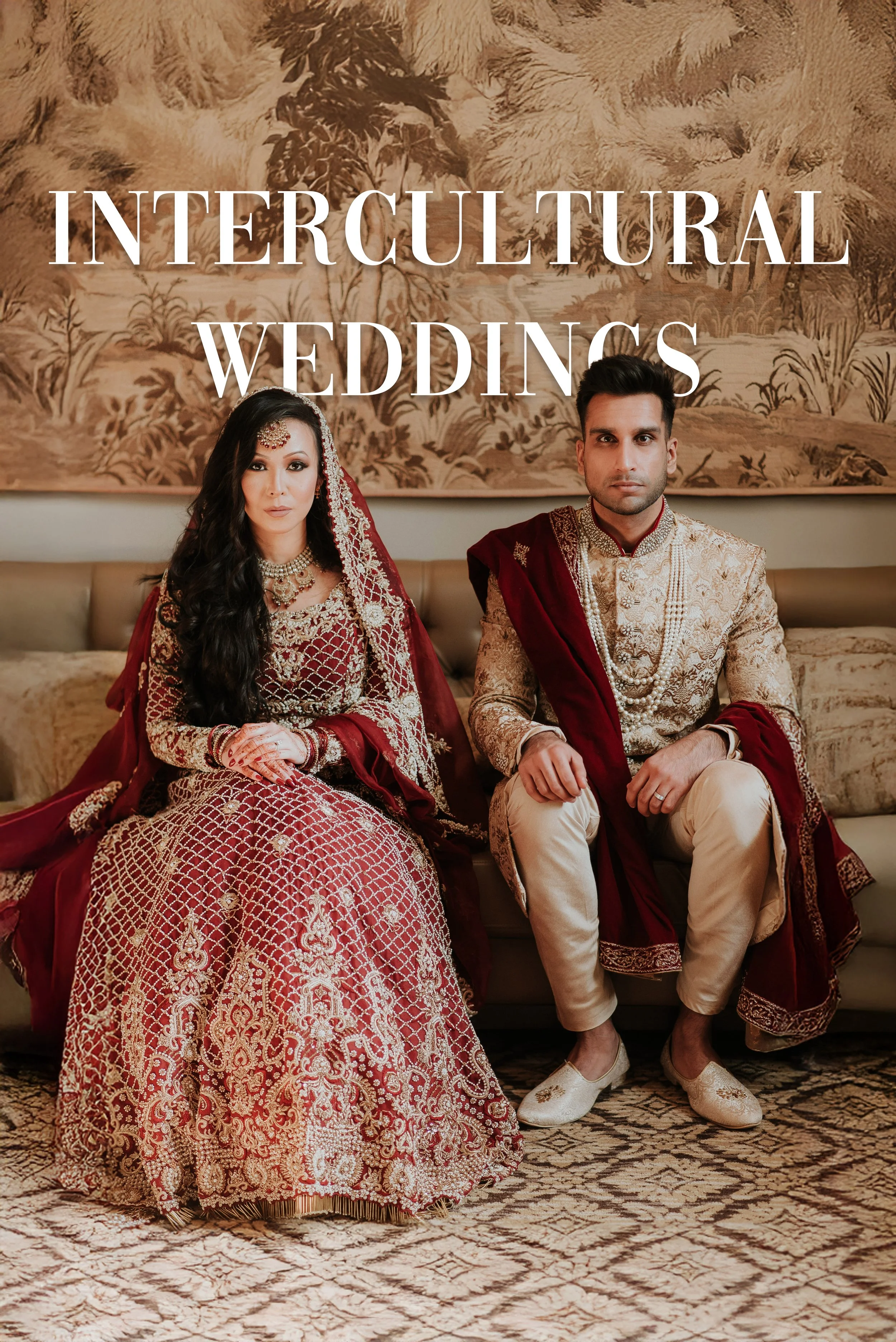
The Planning Reveals the Story
Intercultural weddings start differently than traditional celebrations. There's no established template. Couples are making intentional choices about which traditions to include, how to honour both families, and where to blend versus where to keep things separate.
A Bengali-Chinese wedding in East London might feature a traditional Bengali holud ceremony in the morning and a Chinese tea ceremony in the afternoon. A Scottish-Indian couple in Leicester might incorporate both a registry office ceremony and Hindu pheras. These aren't compromises—they're deliberate celebrations of both identities.
As wedding photographers, understanding this planning process shapes our entire approach. We need to know which moments matter to which family, what's sacred versus what's cultural custom, and where the meaningful intersections happen. This isn't information we can assume—it requires deep discussions beforehand.
Two Ceremonies, One Story
Many intercultural couples choose to honour both backgrounds with separate ceremonies. We've photographed Irish-Pakistani weddings where a church ceremony happened in the morning and a nikah in the afternoon. Afghani-Somali celebrations incorporated traditions from both East African and Central Asian customs.
The photography challenge isn't technical—it's narrative. How do we shoot two distinct ceremonies so they feel like chapters of one story rather than unrelated events? The thread is always the couple and their families. We're watching how the Irish side experiences the nikah, how the Pakistani family responds to church traditions, where understanding and joy bridge cultural gaps.
At a Pakistani-Vietnamese wedding in Birmingham, the contrast was stunning—Vietnamese áo dài alongside Pakistani lehengas, two completely different aesthetic traditions in one celebration. However, the emotional beats were identical: parents crying, siblings laughing and grandparents beaming with pride. Our cameras captured both the visual contrast and the emotional unity.
Language Barriers, Universal Emotions
Some intercultural weddings happen in multiple languages. The Scottish-Indian wedding in Manchester where the priest conducted Hindu ceremonies in Sanskrit and Gujarati whilst the groom's family understood none of it. The Bengali-Chinese celebration in London where speeches happened in three languages with varying levels of translation.
Language barriers could create distance. Instead, they often create these beautiful moments of effort and connection. We have the Scottish grandmother asking what each phera means or the Chinese parents carefully practising how to pronounce Bengali names. You could have the Irish family learning the significance of the rukhsati even though the Urdu explanation went over their heads.
We photograph these moments of bridge-building such as the uncle using hand gestures to communicate when words fail orthe cousins translating ceremony elements in real-time for confused relatives. We also have the laughter of when someone mispronounces something important but everyone appreciates the attempt.
These images tell the real story—not perfect multicultural harmony, but genuine effort to understand and celebrate despite key differences.
What Each Family Brings
Intercultural weddings mean navigating different family expectations. Pakistani families often expect 400+ guests, elaborate multi-day celebrations, specific religious customs. Vietnamese families might prioritise intimate gatherings, particular colour symbolism, ancestral respect rituals. Scottish families could want ceilidh dancing and whisky toasts.
When these expectations meet, couples become cultural translators. We've watched Irish-Pakistani couples explain to Pakistani relatives why a small church ceremony matters, whilst simultaneously helping Irish family understand the significance of a large walimah reception.
As photographers working across Birmingham, Leicester, Manchester, and London, we're documenting these negotiations visually. The compromise venues that work for both families. The fusion fashion—a bride in a Vietnamese áo dài with mehndi, or wearing both a white dress and a red Chinese qipao. The food tables that span continents.
The Emotional Weight Is Different
There's often extra emotional intensity at intercultural weddings. These couples have usually navigated family concerns, cultural questions andsometimes resistance. By the wedding day, there's relief alongside celebration—relief that families are together, that traditions are being honoured, that love won over uncertainty.
The Afghani-Somali wedding in West London carried this particular weight. Both families had journeys to the UK that involved loss and resilience. The wedding represented not just union but community rebuilding across cultural lines. You could feel it in how tightly relatives embraced and how meaningful every tradition felt.
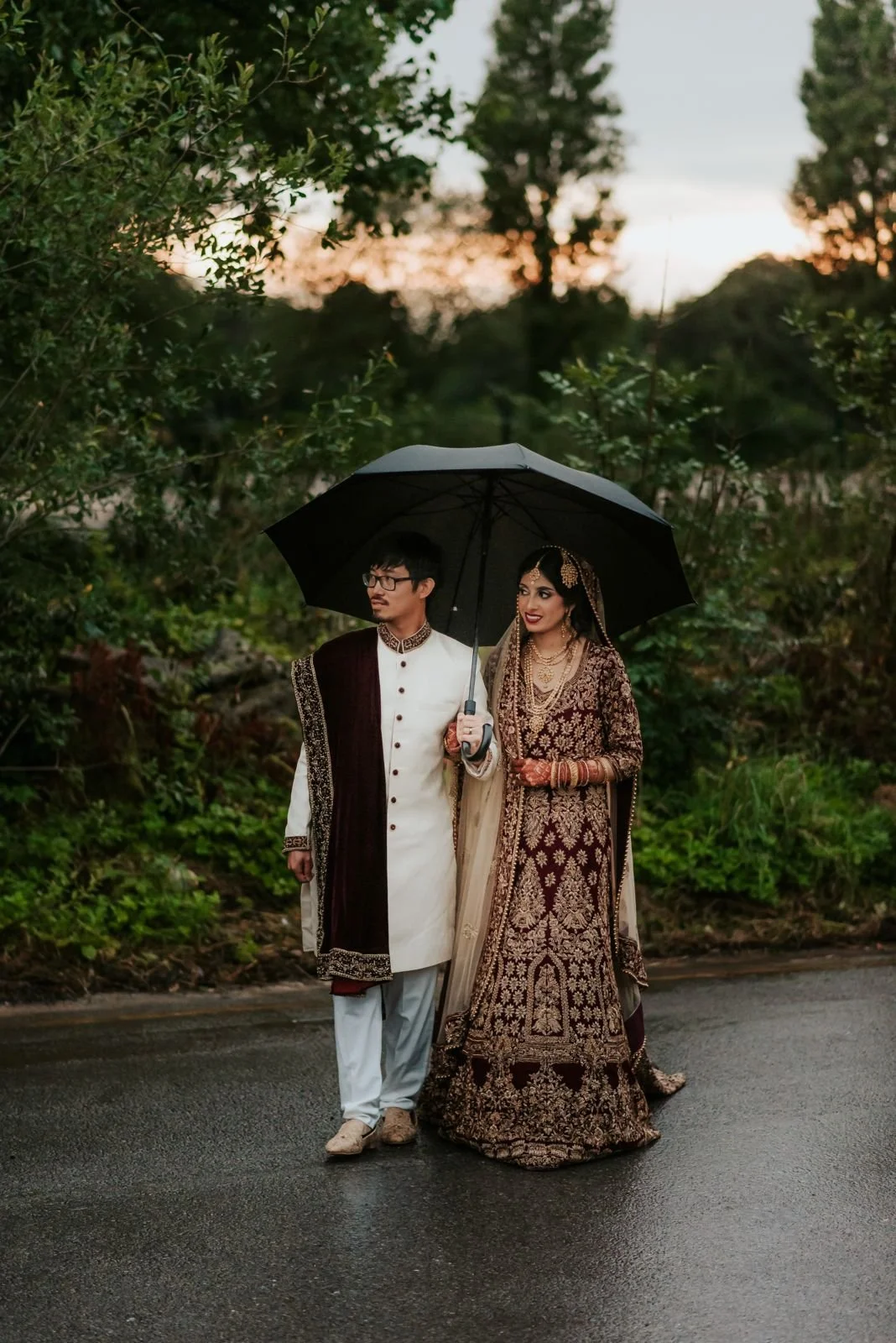
Bengali-Chinese weddings often involve parents who initially struggled with the match. By the wedding day, when Chinese grandparents are trying Bengali sweets and Bengali aunties are admiring qipao embroidery, the acceptance feels earned. We photograph those moments because they represent genuine bridges built over time.
What We've Actually Learnt
After years photographing intercultural celebrations across the UK, here's what experience has taught us: preparation matters more than assumptions. We can't walk into a Pakistani-Vietnamese wedding thinking we know what will happen. Each couple blends traditions differently.
We ask detailed questions beforehand. Which ceremonies are happening? What's the timeline? Which moments are sacred to which family? Who are the key family members we absolutely must photograph? What cultural elements might we not recognise without explanation?
This preparation allows us to move confidently on the day, anticipating moments that matter rather than scrambling to understand what's happening. When the Scottish family forms a surprise ceilidh circle at an Indian-Scottish reception in Coventry, we're ready because we knew fusion entertainment was planned.
Why This Work Matters to Us
Intercultural weddings represent something important—they're proof that love genuinely does transcend cultural boundaries, that families can expand their definitions of tradition, that celebration doesn't require everyone to be the same.
At Mirage Photos UK, we approach these weddings with extra care. We're not just documenting pretty moments—we're capturing families choosing understanding over division, couples honouring both heritages andcommunities expanding to include difference.
Whether you're Irish-Pakistani in Manchester, Bengali-Chinese in London, Scottish-Indian in Leicester, or any combination of cultures coming together in celebration, we bring experience that goes beyond technical photography. We understand that these weddings require cultural sensitivity, careful planning, and the ability to tell one cohesive story from multiple cultural threads.
Your wedding isn't a compromise between two cultures. It's a celebration of both, and we know how to capture that beautiful complexity honestly.