Why We Arrive Before the Makeup Artist: Pre-Preparation Moments at Asian Weddings
It's 5:30 AM in Leicester. The city's still dark. Most people are asleep. But somewhere, a bride is already awake, sitting with her mother in the quiet kitchen, drinking tea and trying to calm pre-wedding nerves. Her hair's unmade. She's in comfortable clothes. There's no makeup, no jewellery, no transformation yet. Just her, in that strange liminal space between ordinary life and wedding day.
We're already there, cameras ready, documenting this.
Most wedding photographers arrive when the makeup artist does—around 7 or 8 AM, when the "getting ready" officially begins. By that point, hair and makeup are underway, the transformation has started, and the photography captures the visible preparation process.
But we arrive earlier. Sometimes much earlier. Because the moments before the preparation begins—the calm before the beautiful chaos—those are often the most genuine, most emotionally complex, most revealing images of the entire day.
After years photographing Hindu weddings across Birmingham, Muslim celebrations in Manchester, and Sikh ceremonies throughout London, we've learnt that the real story starts before anyone thinks the story has begun.
The Calm That Precedes Everything
There's a quality to the morning hours before Asian wedding preparation officially starts that doesn't exist anywhere else in the day. The house is quiet but alert. Family members are moving through rooms with purpose but without panic. The bride is still herself—not yet transformed into the bride, just a woman on the morning she's getting married, sitting with that knowledge weighing on her.
At a Pakistani wedding in Birmingham last year, we arrived at 5 AM. The bride was on the sofa with her sister, both in pyjamas, looking through old photo albums. They weren't posing. They didn't know we'd arrived yet. We documented five minutes of them reminiscing about childhood, laughing at old pictures, their faces showing everything they were feeling about this transition.
Those photographs—mundane, unglamorous, featuring two women in sleepwear looking at albums—are now among the bride's favourites. Because they captured something true about that morning: the reflection, the sisterhood, the awareness that everything was about to change.
This only happens in the hours before official preparation begins. Once the makeup artist arrives, once family fills the house, once the day's momentum starts building, this quiet intimacy disappears. If we arrive at 7 AM like most photographers, we miss it entirely.
The Family Dynamics Nobody Else Photographs
Pre-preparation hours reveal family relationships without the performance that comes later. At Hindu weddings in Coventry or Leicester, we've photographed mothers helping daughters with breakfast, reminding them to eat something before the long day ahead. Fathers sitting with sons, sharing advice or just sitting in companionable silence. Siblings helping each other, or bickering, or oscillating between both.
These interactions are real in ways they won't be once cameras are expected. Once the "getting ready" officially begins, everyone's aware they're being photographed. They smile more deliberately. They perform connection rather than simply experiencing it. Conversations become more careful.
But at 5:30 AM, before anyone's thinking about cameras, people are just themselves. The mother who's been holding anxiety for months might let it show. The father who's been stoic might have a moment of visible emotion. The bride who'll spend the rest of the day smiling for everyone might allow herself to look nervous, overwhelmed, uncertain.
We photograph all of it because it's true. Because weddings aren't just joy and celebration—they're complex emotional events involving major life transitions. And the complexity shows most clearly in those pre-preparation hours when nobody's performing yet.
The Solitary Moments
Sometimes brides want time alone before preparation begins. Just sitting, thinking, processing what's about to happen. At Muslim weddings in Manchester or East London, we've photographed brides in prayer before their wedding day properly starts. At Sikh ceremonies across Birmingham, we've captured grooms at the gurdwara at dawn, in quiet contemplation before the day's festivities begin.
These solitary moments—person alone with thoughts, not yet transformed into bride or groom—they provide emotional depth that posed "getting ready" shots can't replicate. They show interiority, genuine feeling, the private experience of a very public event.
At a Hindu wedding in North London, the bride asked everyone to leave her room for fifteen minutes before the makeup artist arrived. We photographed her from the doorway—just her, sitting by the window, looking out at the sunrise, still in her dressing gown. She was crying quietly, though whether from happiness, nervousness, or some combination, we don't know.
That image—simple, unglamorous, showing a woman in a moment of private emotion—is the photograph her mother now keeps beside her bed. Because it shows her daughter being truly herself, vulnerable and real, before the wedding's performance required composure.
The Practical Preparation Nobody Considers Photogenic
Before makeup and hair, there's mundane preparation that reveals a lot about families. At Asian weddings across Birmingham and Leicester, we photograph mothers laying out outfits, checking that everything's pressed and ready. We document grandmothers preparing breakfast, insisting people eat despite nobody feeling hungry. We capture aunties arriving early to help, the practical support system that makes weddings possible.
These aren't "pretty" photographs in the traditional sense. They're women in everyday clothes doing household tasks. But they show the labour and love that underpins celebration. They document generational care—grandmothers who've seen multiple family weddings, mothers drawing on their own wedding experiences, aunties who show up before dawn to help because that's what family does.
Forty years from now, these images will matter. They'll show not just the bride transformed and beautiful, but the community of women who made that transformation possible. They'll document traditions of mutual support that might not exist in the same way for future generations.
Why 4 AM Phone Calls Happen
We get calls and messages at extraordinary hours. "Can you come at 4:30 instead of 7? My grandmother wants to do a small puja before everything starts." Or, "The priest is coming at 5 AM to do a blessing—can you photograph that?" Or simply, "I'd like photos of the morning before it all begins."
We always say yes. Even when it means starting workdays at hours that most people consider the middle of the night. Even when it requires driving across Manchester or Birmingham or London in pre-dawn darkness. Because we understand what couples are asking for: documentation of the private moments before the public celebration, the real beginning of the day before the official beginning.
At a Gujarati Hindu wedding in Leicester, we arrived at 4 AM because the family was performing a home puja at 4:30. The house was lit only by oil lamps and early morning light filtering through windows. The entire family—bride, parents, siblings, grandparents—gathered for prayers before the wedding day properly began.
The photographs from that hour—soft, quiet, showing a family in spiritual preparation together—are unlike anything from the rest of the day. They capture faith, family, tradition in their most intimate form. They only exist because we arrived before anyone thought photography should begin.
The Transformation Documented Completely
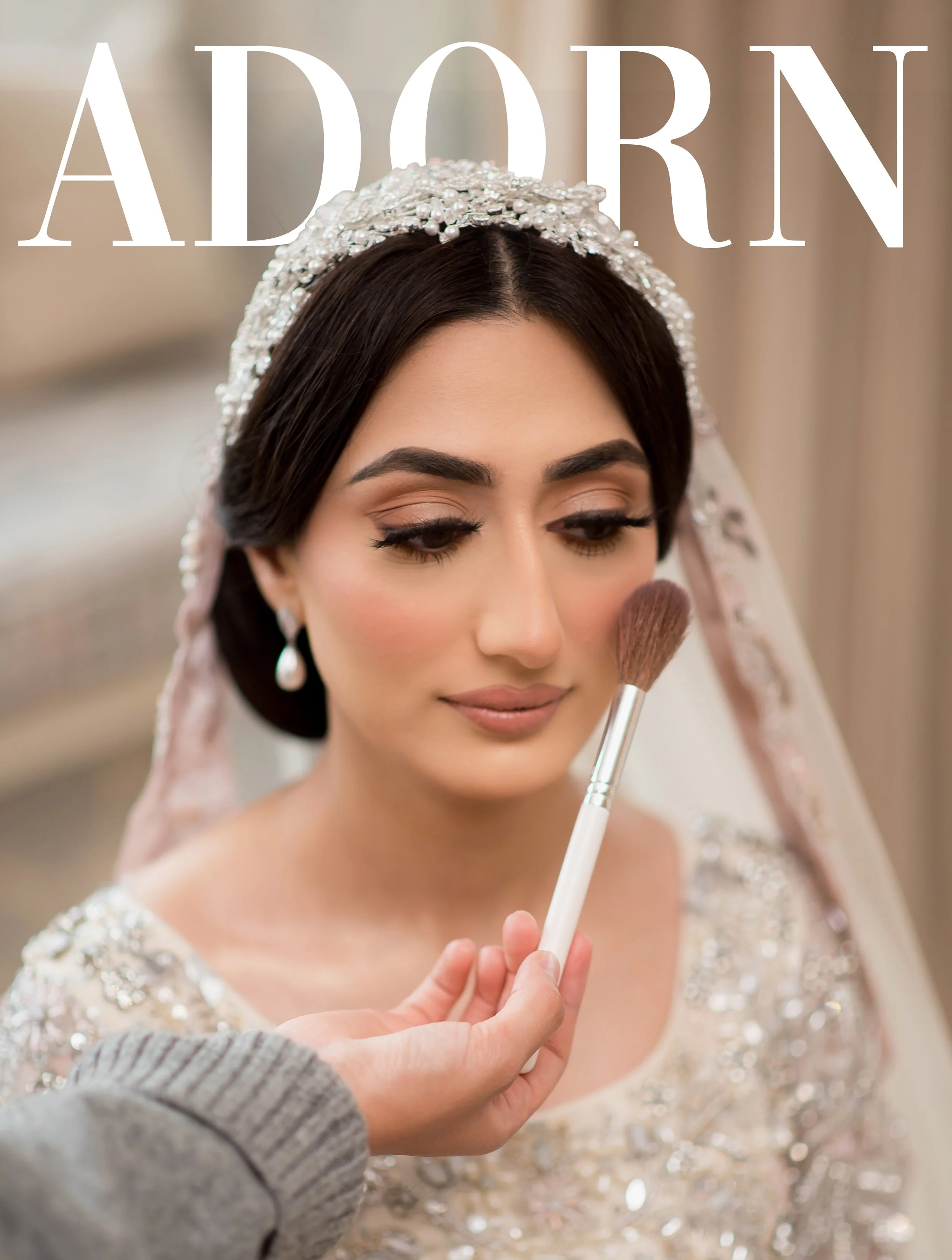
When we arrive before preparation starts, we can document the complete transformation. Not just "before and after" in a superficial sense, but the entire journey from person waking up on their wedding day to fully adorned bride or groom.
At Pakistani weddings in Birmingham or Bangladeshi celebrations in East London, this transformation involves hours of work. Hair, makeup, outfit, jewellery, mehndi touch-ups, final adjustments. But it also involves emotional transformation—watching someone move from nervous person to composed bride, from casual morning to formal ceremony.
By being present from the very beginning, we show the full arc. The woman having breakfast in her dressing gown. The same woman an hour later in the makeup chair. Two hours after that, outfit being adjusted. Three hours in, jewellery being applied. Finally, the complete transformation—but with all the steps documented, showing not just the result but the process.
This complete documentation serves multiple purposes. For the couple, it provides comprehensive memory of the day's full scope. For family members who weren't present during early hours, it shows what they missed. For future generations, it documents the entire cultural practice of Asian bridal preparation, not just the end result.
What This Early Start Costs Us
Arriving at 4 or 5 AM for weddings that often run until midnight or later means extraordinarily long days. We're frequently working 18-20 hour shifts. The physical exhaustion is real. The challenge of maintaining creative energy and technical precision across those hours is significant.
But we do it anyway because these pre-preparation moments matter. Because we've seen too many wedding albums that start at 9 AM, missing everything that came before. Because we understand that the real story begins when the bride wakes up, not when the makeup artist arrives.
At Mirage Photos UK, our commitment to comprehensive documentation means being present for the actual beginning, not just the official beginning. It means understanding that Asian weddings start much earlier than the scheduled timeline suggests. It means prioritising complete storytelling over convenient working hours.
The Technical Reality of Photographing Dawn
Pre-preparation hours present specific technical challenges. Homes aren't lit for photography. At 5 AM in a Leicester house or a Manchester flat, we're working with whatever light exists—table lamps, kitchen lights, early dawn filtering through windows. We can't transform homes into photo studios. We adapt to existing conditions, which means shooting differently than we will later in the day.
But these lighting constraints often produce more emotionally resonant images. The soft, available light of early morning flatters faces naturally. The domestic lighting feels intimate rather than clinical. The lack of artificial photography lighting keeps moments feeling genuine rather than staged.
We're also photographing people before they're camera-ready. Faces without makeup. Hair undone. Comfortable clothes rather than formal attire. This requires particular sensitivity—we're documenting vulnerability, and we're conscious that these images need to honour rather than exploit that vulnerability.
Why Some Couples Initially Resist
When we suggest arriving at 5 AM, some couples hesitate. "Nobody will want to be photographed that early." Or, "I'll look terrible before makeup." Or, "Nothing interesting happens that early anyway."
Our response: the best photographs often happen when you're not trying to look good for cameras. When you're just being yourself, before the performance begins. And interesting isn't about spectacle—it's about truth, emotion, genuine connection.
We show them examples from previous weddings. The mother and daughter having tea before preparation begins. The siblings together in those quiet morning hours. The bride alone, contemplating the day ahead. The family puja at dawn. The grandmother helping with breakfast.
These images consistently convince couples. Because they show something valuable that traditional "getting ready" photography misses: the authentic beginning of the wedding day, before anyone's performing for cameras.
What These Hours Reveal About Our Approach
Our willingness to arrive at 4 or 5 AM reveals something about Mirage Photos UK's philosophy. We're not convenient wedding photographers who show up at standard times and leave at standard times. We're documentarians committed to capturing Asian weddings completely, which means adapting to when the actual story begins rather than when it's convenient for us to begin photographing.
This approach aligns with our broader commitment to candid, photojournalistic wedding photography. Just as we don't interrupt ceremonies to pose people, we don't miss crucial story chapters because they happen at inconvenient hours. Just as we prioritise authentic moments over staged prettiness, we value genuine pre-preparation documentation over comfortable working schedules.
Whether you're planning a Hindu wedding in Leicester, a Muslim celebration in Birmingham, a Sikh ceremony in Manchester, or any Asian wedding across London and beyond, we bring this comprehensive approach to your day.
The Story Begins When You Wake Up
Your wedding story doesn't start when the makeup artist arrives or when the first guest shows up. It starts when you wake up on your wedding day, in that strange morning when everything's about to change but hasn't yet.
We want to photograph that beginning. The quiet hours. The nervous energy. The family gathering. The private moments. The transformation from person to bride or groom, documented completely rather than starting midway.
Because decades from now, you'll want more than images of yourself fully adorned and camera-ready. You'll want to remember what the morning felt like, who was there in those private hours, how you moved from ordinary to extraordinary. You'll want your children and grandchildren to see the full story, not just the public performance.
That's why we arrive before the makeup artist. That's why we're there at 4:30 AM when most of Leicester is still asleep. That's why we photograph the moments before the moments everyone expects to be photographed.
Because the real story of your wedding day? It begins in darkness, in quiet, in those hours when you're still just you—nervous, excited, overwhelmed, real. And that story deserves documentation just as much as the beauty that comes later.